








This event is a collaboration between EATA and ITAA, bringing together great TA speakers to explore engaging topics within TA community
 What does the evidence actually tell us about Transactional Analysis psychotherapy? In our evidence-based era, this question matters more than ever—not just for recognition and legitimacy, but for understanding how TA truly helps people change, and how we could further improve our practices. Join us for an interactive seminar where we’ll share findings from our systematic reviews of TA research, surveys, and clinical trials. We’ve examined what works in TA practice, identified the specific components that drive therapeutic change, developed and successfully applied a conceptual model that synthesizes the evidence base. We’ll present our main findings: the general effects of TA, which specific components prove most effective, and evidence-based competencies that emerge from the research. But this isn’t just about numbers—it’s about what these findings mean for practice. You’ll discover concrete applications: our 16-session TA treatment outline, strategies for professional recognition and political lobbying, and approaches for integrating research into training. We’ll explore together how you could use these findings in your practice and how we, as a field, can harness this evidence to strengthen TA. Whether you’re a practitioner seeking evidence-based guidance, a student training to become a TA practitioner, a trainer developing curricula, or an advocate working toward professional recognition, you’ll leave with practical insights and tools. The research exists—the question is how we use it.
In this seminar, we will draw on the work presented in our recent publication on the theory, evidence base, and practice of Transactional Analysis psychotherapy, The Handbook of Transactional Analysis Psychotherapy: An Evidence-based Guide (Sage, 2025), as well as related research in the field.
Participants who wish to explore the research background further can find our studies through major academic publication databases. This includes, among others, two freely accessible articles that may be of interest to read before the seminar (reading is optional and not required for attendance):
Vos, Joel & van Rijn, Biljana (2022). The Effectiveness of Transactional Analysis Treatments and Their Predictors: A Systematic Literature Review and Explorative Meta-Analysis. Journal of Humanistic Psychology, pp. 1–3.
Vos, J., & van Rijn, B. (2024). Brief transactional analysis psychotherapy for depression: The systematic development of a treatment manual. Journal of Psychotherapy Integration, 34(1), 1–26.
Part 1: What Works and Why It Works
We’ll guide you through our research journey, revealing the main findings of our systematic reviews and meta-analysis. What are the general effects of TA? Which specific components prove most effective? We’ll present our overall conceptual model of TA and outline evidence-based competencies that emerge from the research—practical insights you can integrate into your practice.
Part 2: Plenary Q&A
Research provokes questions. We invite you to share yours. How do you feel about using research in TA? What findings surprise you? What challenges your assumptions? This is your opportunity to engage directly with the evidence and its implications.
Part 3: How to Use It
Evidence means little if it remains abstract. We’ll share concrete applications: our 16-session TA treatment outline, strategies for political lobbying and professional recognition, and approaches for integrating research into TA training. These are starting points for your own reflections on how research can strengthen your work.
Part 4: Collective Reflection
We’ll close by considering together: How could you use these research findings in your practice? How could we, as a field, harness this evidence to develop TA further?
This seminar bridges the gap between research and practice. Whether you’re a practitioner seeking evidence-based guidance, a student training to become a TA practitioner, a trainer developing curricula, or an advocate working toward professional recognition, you’ll leave with concrete insights and practical tools. The research exists—the question is how we use it to strengthen TA as a therapeutic approach. We look forward to exploring these questions with you.
 Dr. Joel Vos, PhD, MSc, MA, CPsychol, FHEA, AFBPS, is a chartered psychologist, philosopher, existential/humanistic, and cognitive-behavioural therapist. He is a senior lecturer at the Metanoia Institute (United Kingdom), a researcher at KU Leuven (Belgium), and Director of IMEC International Meaning Events and Community (UK). Dr. Vos has published over 150 scientific studies and chapters, with a focus on reviews, meta-analyses, and clinical trials on humanistic and existential psychology and psychotherapies. His expertise lies in meaning in life and society, social justice, radicalization and extremism, existential emotions, and risk perception. He has published nine books, including Handbook of Transactional Analysis: An Evidence-Based Approach (Vos & Van Rijn, Sage, 2025), Doing Research in Psychological Therapies: a Step-by-step Guide (Sage, 2023), Meaning in Life: an Evidence-based Handbook for Practitioners (Bloomsbury, 2019), Mental Health in Crisis (Vos, Roberts & Davies, Sage, 2019), The Psychology of COVID-19 (Sage, 2021), and The Economics of Meaning in Life (University Professors Press, 2020) For more information, visit https://joelvos.com
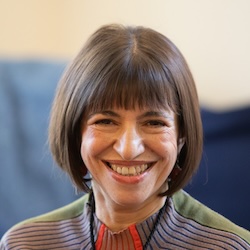 Dr. Biljana van Rijn is an Associate Director of Education for Undergraduate, Pathway and Doctoral Programmes at Metanoia Institute in London, a TA psychotherapist, supervisor (TSTA) and a psychotherapy researcher. She is currently a President of the UK Chapter of the Society for Psychotherapy Research.
She leads the development of research informed teaching and practice at Metanoia Institute and has established a research clinic. Her focus is practice-based research with a particular interest in theory-building case study research and the process of change in psychotherapy. Biljana has authored numerous research publications using the qualitative, mixed method and quantitative methodologies as well as books on an evidence-based approach to Transactional Analysis, clinical assessment and formulation, and working with sexual attraction in counselling and psychotherapy.
Warm Wishes
EATA & ITAA webinar committee

By continuing to use the site, you agree to the use of cookies. more information
The cookie settings on this website are set to "allow cookies" to give you the best browsing experience possible. If you continue to use this website without changing your cookie settings or you click "Accept" below then you are consenting to this.